

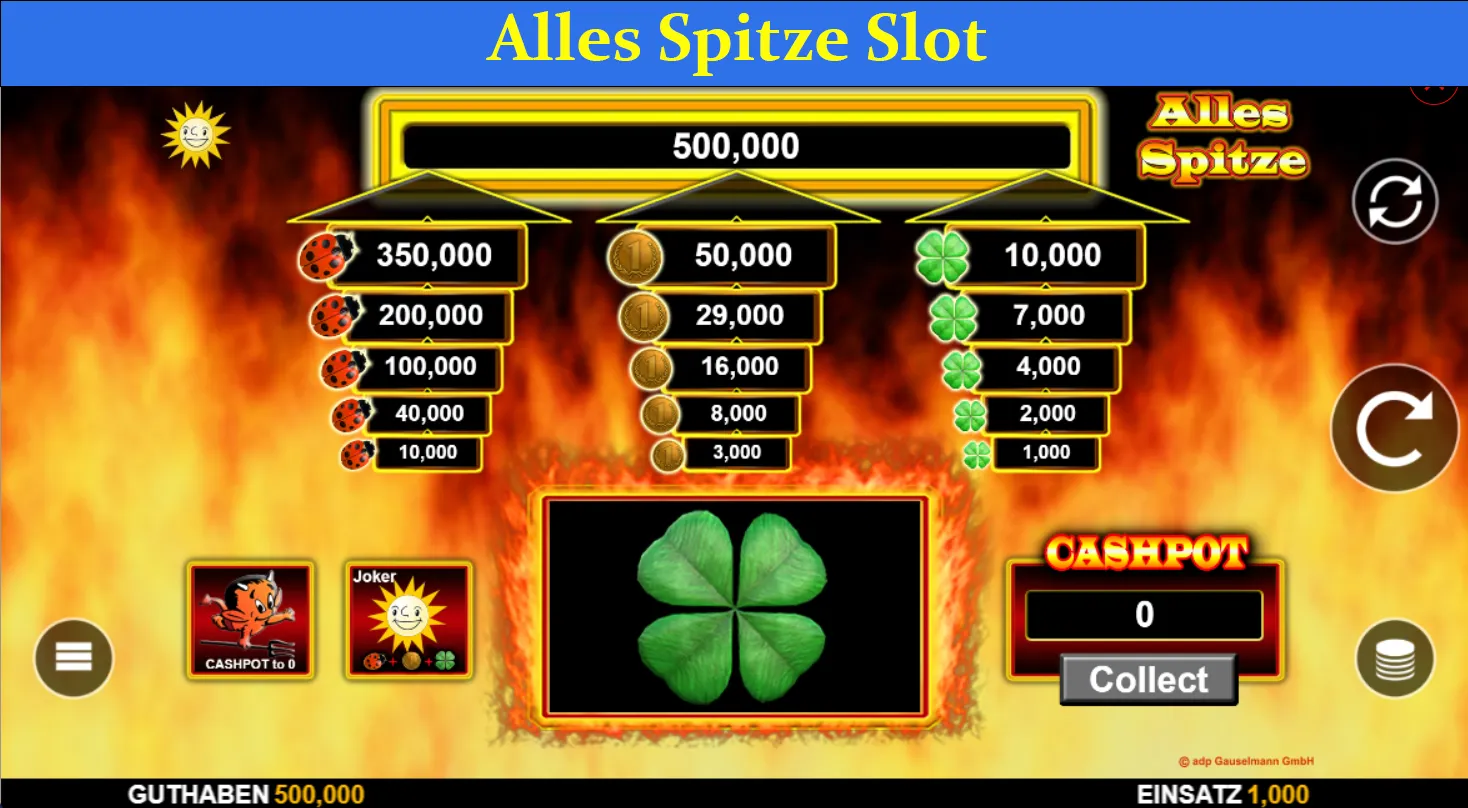
For players in the United Kingdom, maintaining a accurate and correct record of online Slot Alles Spitze Contact play is more than a financial management task. It’s a key part of wagering responsibly. The Alles Spitze platform features a integrated tool for this exact purpose: the Export Data function. This feature allows users to export a complete history of their deals, spins, and bonuses into a single file. Using this tool offers UK players immediate control over their data. They can maintain records for expense tracking, tax planning, or their own analysis. This guide details the export feature on Alles Spitze. We’ll discuss why it is important, how to operate it, and what you can accomplish with the data, all customized for a UK users.
Step-by-Step Guide to Extracting Your Data
Using the Export Data function on Alles Spitze is typically simple. The steps below are a typical guide. Menu names might shift a little if the platform’s design gets an update. First, log into your Alles Spitze account on the website or mobile app. Go to your account section, often found by clicking your username or an icon in the top corner. Inside the account menu, search for labels like ‘My Activity’, ‘Transaction History’, ‘Banking’, or the direct title ‘Export Data’.
- When you find the right section, you’ll see options to define your export. Start by selecting the date range for the information you want. You might choose a preset period like ‘Last 30 days’ or type in your own custom start and end dates.
- You will probably have a chance to filter the data type. You can usually export everything at once, or pick just deposits, withdrawals, or gameplay records.
- After finalizing your choices, start the process by clicking a button. It’s often named ‘Export’, ‘Download CSV’, or ‘Generate Report’.
- The platform will then generate your file. This could take a minute or two. Once it’s ready, a download link will show, or the file will save directly to your device’s usual download folder.
Develop a habit of renaming the file as soon as you download it. Use a clear name that includes the date range, something like “AllesSpitze_March_2024.csv”. Save it to a specific folder on your computer or in a secure cloud storage service. Doing this every month or every quarter keeps your records up-to-date and organised. It prevents the task from piling up into a huge, daunting job later on.
Why UK Players Ought to Regularly Back Up Their own Data
The UK online gambling market functions under strict regulation. Player protection and transparency remain non-negotiable. Backing up your own gaming data on a regular basis complies with these rules. On a practical level, it’s a valuable financial management habit. By reviewing exported data, you can observe your actual spending patterns across weeks or months. Trends become apparent that your daily balance alone won’t show. This factual view is the starting point for maintaining a budget or spotting when your habits might be changing.
Having your own copy also serves as an independent backup. Alles Spitze holds this data safe on its servers, but your personal export guarantees you can always get to it. If you decide to close your account, have to query a transaction, or wish to check something from a few years back, your files are at hand. Some players, like those who gamble professionally or treat it as a serious hobby, might need these records for their tax self-assessment. For them, a regular export routine develops into a standard part of managing their finances.
Understanding the Data Export Feature
You’ll find the Export Data tool inside your Alles Spitze profile, usually under preferences or account history. Its job is basic: it compiles your historical actions and packages it into a file you can download. The file is commonly in CSV format. You can access a CSV file with standard spreadsheet applications like Microsoft Excel or Google Sheets. What you obtain is a raw record of your account transactions over a chosen timeframe. For a UK user, this beats taking screenshots or jotting things down manually. It’s an authorized record created by the system itself. This can be essential if you ever have to validate your activity with someone else or perform your own review.
Which Data is Covered?
The generated file from Alles Spitze encompasses most account transactions in depth. You will see a itemized list of every funding, with the date, time, sum, and how you funded. All cashout submissions and their existing status are recorded too. Perhaps most importantly, it logs every stake you put on the Alles Spitze game or other titles. It notes the bet, the exact game, whether you won or lost, and your new account. Any bonus activity gets its own entry—when a bonus was awarded, when you fulfilled its playthrough rules, or if it was cancelled. Every single entry has a date and time, forming a sequential history of everything you’ve done.
This fine-grained information is the feature’s real strength. It turns abstract play into specific numbers. You can view more than your final profit or loss for the month. You can follow the pattern of a gaming period: when you were playing, which games you kept playing, and how your payments related to your session length. For UK users considering financial limits or defining personal limits, this record is key. It gives you plain information about your own behaviour, without unclear recollection or assumptions.
Typical Use Cases for Exported Data within the UK
UK players have several useful reasons to use exported data from Alles Spitze. A major one is for personal tax records. Gambling winnings are generally tax-free for individuals within the UK. However, people who gamble as a profession or a trade could need to declare their activity to HMRC. Thorough, official records from the platform are crucial for an accurate self-assessment. In the same way, someone applying for a mortgage or a large loan might be asked about big bank transactions. A clear, exported record of gambling deposits and withdrawals can make conversations with lenders or financial advisors much smoother.
Another significant use is when dealing with customer support or a dispute resolution service. If there’s a disagreement over a missing bonus, a withdrawal that hasn’t arrived, or a game result, your own timestamped data is effective. You can offer exact details, which often speeds up finding a solution. Finally, this data supports personal accountability. Players can utilize it to engage seriously with gambling awareness tools. They can share factual information with family if they’re seeking support. Or they may just want the satisfaction of keeping meticulous financial records for their own peace of mind.
Information Security and Privacy Concerns
Your exported betting data is a sensitive financial document. Treat it carefully. The CSV file lists your personal dealings and playing history. Once you download it, you assume the duty for protecting it. Save these files in a password-protected folder on your own device, or use secured cloud storage. Don’t keep them on communal or public computers. Do not email the files to yourself or other people over insecure channels.
On the privacy aspect, Alles Spitze holds a UK Gambling Commission license. This indicates it must comply with rigorous data protection rules, encompassing the UK GDPR. The export feature exists in part to satisfy your right of access your personal information. The site’s privacy policy describes how it handles and protects your details. When exporting data, you generate a duplicate for your own use. You need to ensure that version doesn’t get lost or stolen. When it is time to discard old records, remove them securely. Utilize file-shredding software rather than just sending them to your system’s recycle bin.
Troubleshooting and Finding Support
The export function usually works without a hitch, but occasionally problems come up. A common issue is being unable to locate the export option. It might be tucked inside a sub-menu called ‘Responsible Gambling’ or ‘Data Settings’. If the file won’t download, check your browser’s pop-up blocker. Using a another web browser may also assist. For extended date ranges, the system might time out. The remedy is straightforward: export your data in smaller portions, month by month.
If the CSV file appears corrupted or has incorrect data, attempt exporting the same range again. This rules out a isolated error during file generation. Should the problem continue, get in touch with Alles Spitze’s customer support. When you get in touch about a data export issue, prepare your details. Inform them the date range you wanted, the data types you chose, and any error message you saw. As a UK licensed operator, Alles Spitze must provide you access to your data. Their support team should help you with the process or submit any technical fault to their developers to be resolved.
Analysing Your Exported Data for Individual Insight
Getting the CSV file is just the beginning. The real value comes from opening it in a spreadsheet and checking what the numbers show. Columns of data will display a comprehensive portrait of your gambling habits. Use the sort and filter tools in your software. Sort transactions by date to see how often you play. Sort by amount to spot your usual stake size and your greatest deposits. A pivot table can calculate your total deposits, total withdrawals, and net result for the period in seconds.
Strive to look past basic profit and loss. Determine which games you played the most. Work out what percentage of your total wagers went to each game. You may discover a preference you weren’t fully aware of. Check the timing of your deposits. Do they bunch up on weekends or late at night? For UK players focused on responsible gambling, this analysis isn’t about self-criticism. It’s about building awareness. The data gives you solid evidence to guide future choices. You could decide to set a deposit limit for the days you normally spend more, or plan a break after noticing a long run of daily play.
Important Metrics to Track
Particular specific numbers are worth watching when you review your data. Track your total net loss or gain over a month or a quarter. Determine your average session length by checking the time between your first and last wager on a given day. Monitor how often you deposit and the average amount. One more helpful metric is your wager-to-deposit ratio. This shows how much you’re recycling the money you put in. Watching these numbers change over time can serve as an early alert. If they start climbing beyond where you’re comfortable, it’s a clear signal to take a break and review your approach.